After You Land: The Overlooked Duty-Free Counter That Deserves a Second Look

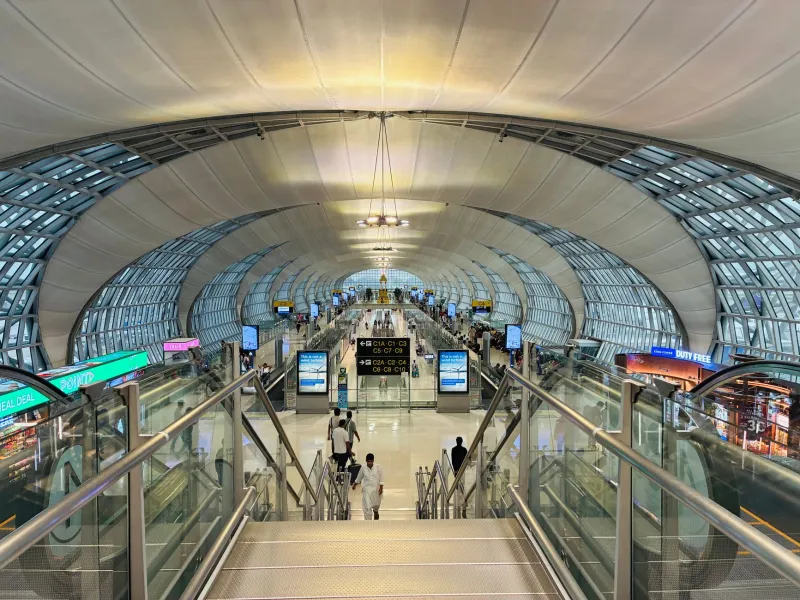
Photo: Kawon Kez Sel, CC0, via Wikimedia Commons
Most duty-free routines are built around the outbound leg: clear security, wander the perfume hall, spritz something new, then spend twenty minutes deciding whether the saving is real. It is a familiar ritual. But it is not the only one. On the way home, tucked beyond passport control and often beside baggage reclaim, the arrivals shop can be the quieter, calmer and occasionally cheaper place to buy. The catch is that it is not a universal win. Treat it as a second chance, not a default.
Why the arrivals shop feels like a secret
Arrivals retail exists for the traveller who forgot a gift, ran out of time on the outbound, or simply wants to use a return-day allowance. Because footfall is lower and the space is smaller, the experience is less frantic. You are not competing with a queue of people testing the same three blotters. Staff often have more time to talk. But that intimacy comes with a narrower range: arrivals shops tend to carry the reliable bestsellers, gift sets and travel sizes rather than the full departure-side wall of niche and terminal exclusives. If you are hunting a specific limited edition, do not assume it will be waiting when you land.
Stock: same labels, different priorities
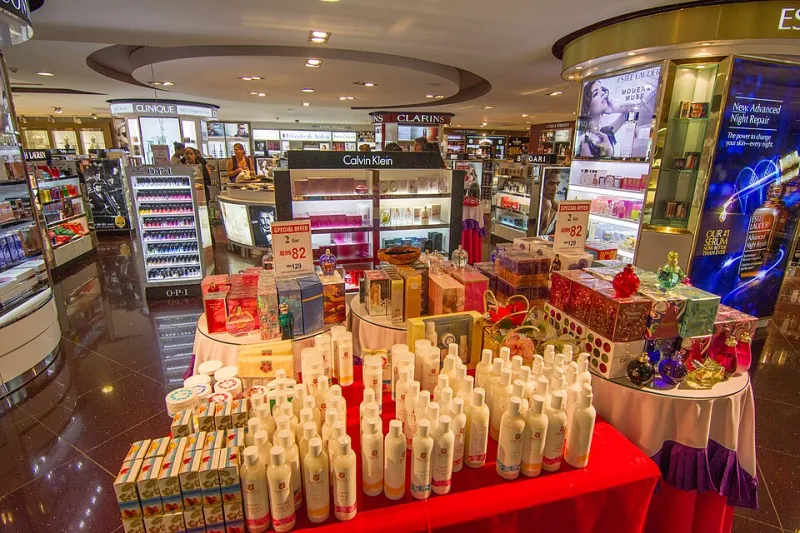
Departure halls are built for discovery and impulse. They have the widest range, the newest launches and the airport exclusives that justify a pre-flight detour. Arrivals shops are built for convenience. That means core lines, popular gift packs and the odd arrival-only promotion. In practice, Heathrow’s Terminal 2, 3, 4 and 5 arrivals areas and Gatwick’s North and South terminals are the most useful for perfume; Manchester’s T2 is worth a look, while smaller UK terminals can be hit and miss. Always check the airport’s own shop directory before you fly, because opening hours and retailers change.
Price and price-match: read the till, not the poster
Airport retailers like to advertise savings, but the comparison is rarely against the cheapest online discounter. Some run price-match promises against selected UK high-street or airport competitors; others do not. The policy can also vary by terminal and brand. If a price-match is the reason you are buying, ask staff to confirm the exact comparison before you pay, and keep the receipt. A genuine saving should be clear after you have checked the size, concentration and whether the bottle is the same edition. A 50ml eau de toilette at a headline price is not a bargain if you thought you were buying 100ml eau de parfum.
Opening hours and the late-flight problem
Arrivals shops open around flight schedules, not around your convenience. A mid-morning landing at a big hub is a different proposition from a 1am touchdown at a regional airport. Some arrivals counters close before the last flights, and not every terminal has one at all. If you are banking on a post-landing purchase, check the shop’s hours on the airport website and have a backup plan. There is nothing worse than queuing for baggage only to find the perfume counter shuttered.
The allowance and receipt trap
Buying after you land can feel like a loophole. It is not. Your purchase still counts towards your UK personal allowance for goods brought in from outside the UK, and perfume is part of that total. The standard guidance is £390 for goods, with separate limits for alcohol and tobacco; check gov.uk before you travel because the rules and their interpretation can change. If you buy in an arrivals shop before customs, keep the receipt and be ready to declare anything over the limit. Do not bin the receipt to save space in your hand luggage. It is your proof of purchase and your only defence if a border officer asks where the bottle came from.
When arrivals genuinely wins
Arrivals shopping makes sense when you are landing at a terminal with a decent shop, you have time to spare, and you are buying a known favourite or a safe gift. It also works if you skipped the outbound shop and want to use your return allowance on something you will actually wear. The calmer environment helps if you hate crowded duty-free halls. And if you have been away for a while, a post-landing browse can be a pleasant soft landing before the train home.
When to stick to departures
Choose the departure side if you need the full range, a terminal exclusive or a specific launch. Choose it if your connection is tight or your arrival is late. And choose it if you want to compare prices before you fly with plenty of time to think. The smartest travellers do not pick a side out of habit; they check both. Screenshot the departure price, note the size, then compare it with the arrivals shelf if you have the time.
A simple arrivals-hall routine
Before you fly, check whether your arrival terminal has a perfume shop and what time it closes. Know your allowance and the price you would happily pay. On landing, collect your bags first, then browse without the clock running. Ask about price-match terms, confirm the size and concentration, and keep the receipt in your wallet rather than the shopping bag. If the saving is less than about ten per cent, the convenience may not be worth the extra carry. If it is a bottle you already know and the price is right, the arrivals hall can quietly beat the departures scrum.
The bottom line
The arrivals shop is not a secret cheat code. It is a second duty-free window with a smaller range and a different rhythm. For UK travellers, the big hubs make it worth a look; smaller terminals make it a bonus at best. Buy after you land when the bottle is known, the shop is open and the maths is clear. Otherwise, enjoy the departures lounge and save your decision for the ground.