The Bottle Census: A Pre-Flight Fragrance Audit That Beats Duty-Free Déjà Vu
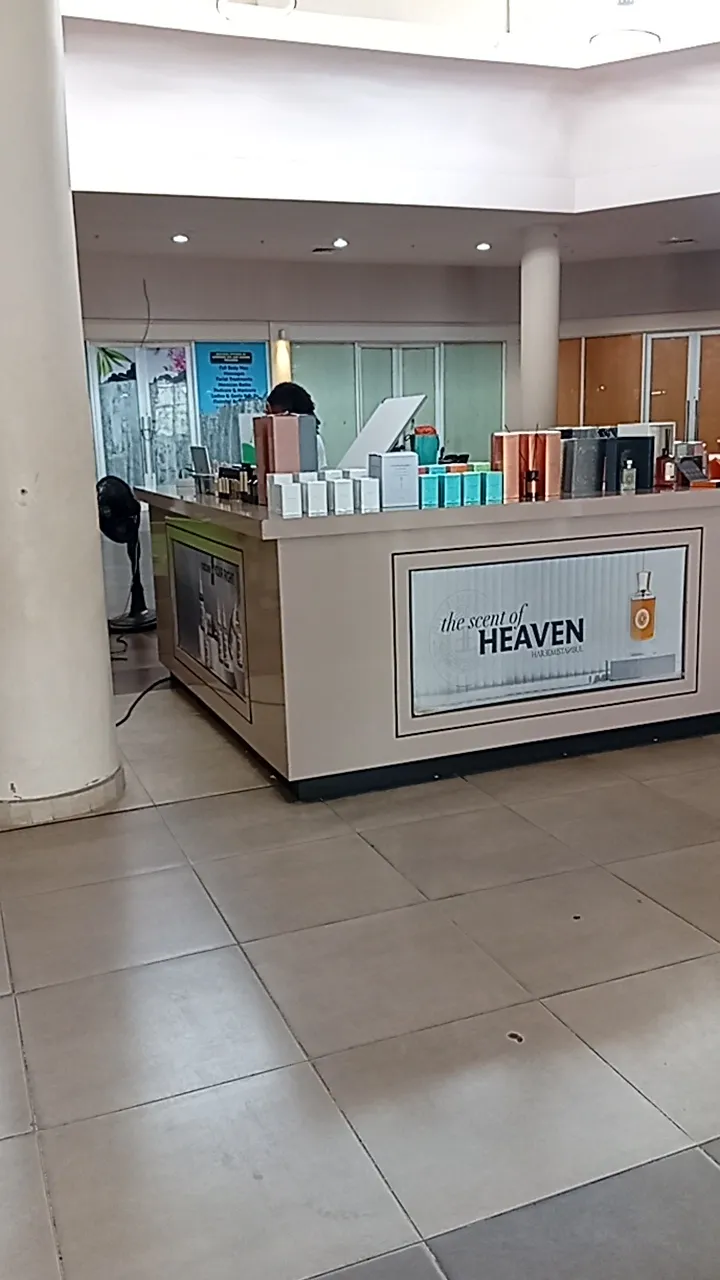
Photo: LizzyStev, CC BY-SA 4.0, via Wikimedia Commons
Airport fragrance halls are designed to make you forget what is already sitting on your dressing table. The lights are flattering, the testers are bottomless and the phrase 'travel exclusive' does a lot of emotional heavy lifting. That is how perfectly sensible people come home with a third fresh citrus cologne and no actual evening scent for the winter. A pre-flight bottle census is the antidote. It takes about twenty minutes, costs nothing and can easily save you £60–£120 on a bottle you did not need in 2026.
Why bother auditing before you fly?
Duty-free shopping is compressed shopping. You are in an airport, your flight is called in 40 minutes, and every counter is competing for the same slice of attention. Without a plan, you buy on impulse. With a plan, you buy on purpose.
The point is not to talk yourself out of every purchase. It is to make sure the bottle you carry home fills a real gap in your collection rather than repeating something you already own. That is especially true now that so many duty-free deals are built around multi-buys and gift sets. A saving on a duplicate is not really a saving; it is just a more expensive way of storing something you will not wear.
The 20-minute shelf stocktake
Set aside a bit of time before you start packing. Clear the bathroom shelf, the bedroom drawer and that mysterious box under the bed. Include minis, decants and gift sets. If a bottle is empty, note it as empty rather than pretending it still counts.
Use your phone notes app or a spreadsheet. Photograph each bottle front and base, because the label and concentration matter more than the marketing name. Then log the basics.
The audit checklist
- Gather every full bottle, travel spray, mini and sample you actually use
- Photograph the front label and the base or batch code
- Note the size in millilitres and the concentration — EDT, EDP, parfum, cologne
- Assign each one a rough scent family: fresh, citrus, aquatic, floral, green, woody, amber, gourmand
- Tag it by season: spring/summer, autumn/winter, or all-year
- Tag it by occasion: work, daytime, evening, weekend, travel, special events
- Mark anything you have not worn in six months
- Flag obvious duplicates and near-duplicates
- Write down the genuine gaps — not the nice-to-haves
- Set a budget and a one-bottle rule for the trip
- Save a three-bottle airport shortlist to your phone
That last point is the one people skip. A shortlist is not a wish list. It is a filter. If a fragrance is not on the list, it does not get tested unless it genuinely surprises you.
Spotting near-duplicates without a perfumery degree
You do not need to memorise every note pyramid. Start with scent families. Two fragrances can have different names, different bottles and different advertising campaigns while doing much the same job on your skin.
A near-duplicate usually shares the same family, the same concentration and the same season or occasion. Three fresh aquatic EDTs for summer daytime? That is not a collection; that is a queue. Two sweet gourmands for winter evenings might feel different on paper, but if you reach for one and ignore the other, they are competing for the same slot.
The trick is to look at the job the fragrance does. A crisp citrus aromatic for the office is not the same as a smoky woody amber for a night out, even if both are 'nice'. But a lemony cologne and a bergamot-forward eau de toilette may be close enough that the second bottle adds very little.
When you are unsure, compare at home rather than at the airport. Spray one on each wrist, wait 20 minutes and see whether the dry-down feels distinct. Airport spritzes are unreliable because the air is dry, the lighting is odd and you are probably rushing.
Find the gap, not the itch
'I need something new' is a feeling, not a brief. Turn it into a gap by asking three questions.
First: what season is coming up? A UK winter needs something warmer or sharper than a July holiday scent. Second: what occasion do you actually dress for? If you have plenty of daytime freshies but nothing for dinners, weddings or evenings out, that is your gap. Third: what format makes sense? A 30ml travel spray may be smarter than a 100ml bottle if you only wear the scent a few times a year.
This is where the audit earns its keep. It stops you buying a fragrance for the version of yourself who goes to glamorous parties every weekend when the reality is mostly office commutes, pub lunches and the occasional weekend away.
A worked example: from vague itch to airport shortlist
Take a realistic case. Hannah from Bristol is flying to southern Spain in May. She feels she needs 'something new' for the trip. Her shelf contains three fresh citrus scents, two sweet gourmands, one white floral and a nearly empty woody amber. She has a £75 budget and a bad habit of buying a 100ml bottle because it looks like better value.
The audit changes the brief. The fresh citrus slot is already covered three times over. The sweet gourmands are winter scents. What she actually lacks is a warm-weather evening fragrance that feels a bit more polished than her daytime colognes, plus a travel-friendly size for the trip.
Her shortlist becomes three specific testers: a citrus-floral eau de parfum, a soft amber with a clean dry-down, and a green fig-style scent. She writes them down, sets a one-bottle rule and promises herself she will not be swayed by a two-for-one deal unless the second bottle is a genuine replacement.
At the airport she tests two on skin, waits, and chooses the 50ml citrus-floral. It fits the gap, it fits the budget and it does not duplicate anything at home. More importantly, she does not come back with a fourth fresh cologne just because the tester looked pretty under the terminal lights.
The one-bottle rule
A simple rule works better than a complicated budget spreadsheet: one full bottle per trip, unless you are replacing something that is genuinely empty. If a multi-buy is tempting, ask whether the second bottle fills a different gap. If the answer is no, walk away.
Duty-free can still be excellent value in 2026, especially on travel exclusives and larger sizes you already know you love. But the best airport bargain is the one you actually wear. Count the bottles before you fly, write the shortlist, and let the terminal be a place where you buy well rather than buy twice.