Something Blue, Something 50ml: A Duty-Free Scent Plan for Weddings Overseas

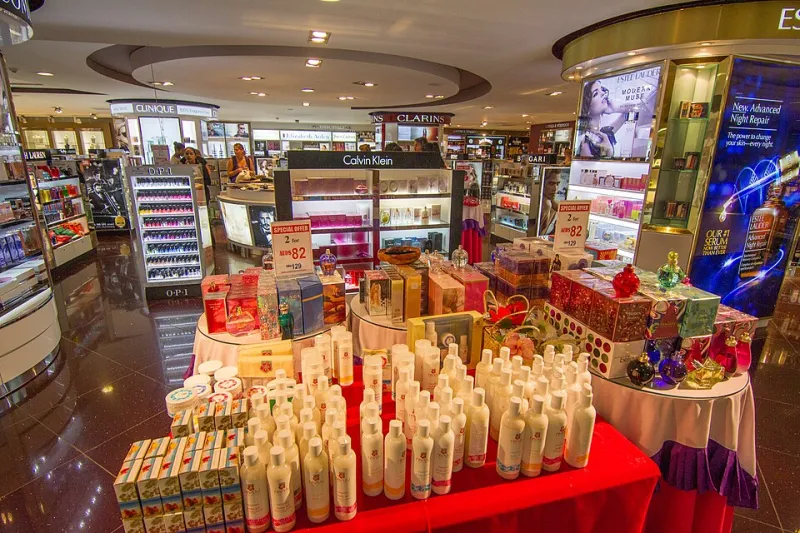
Photo: Abasaa, Public domain, via Wikimedia Commons
There's a particular moment in every overseas wedding build-up when the to-do list stops being a list and starts being a personality. The dress is sorted, the flights are booked, the accommodation has been argued over and rebooked. And then someone says: "What perfume are you wearing?" Cue a mild spiral.
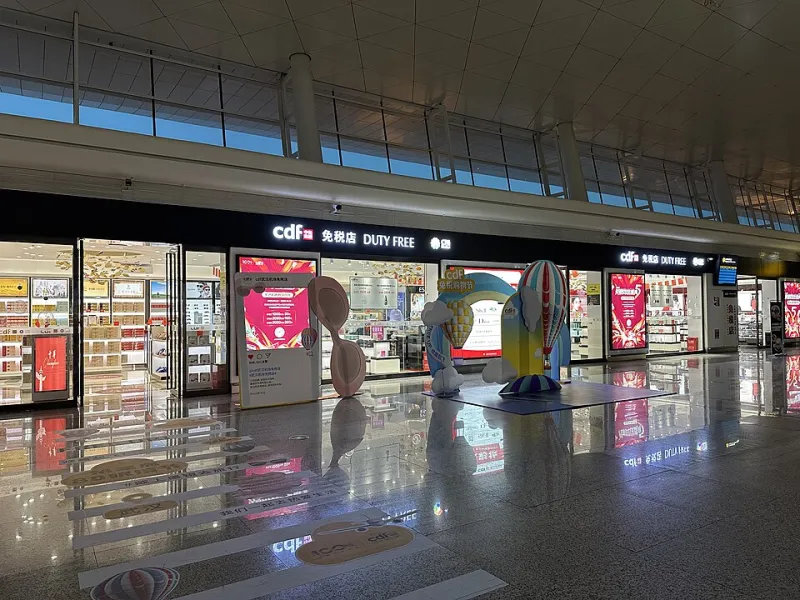
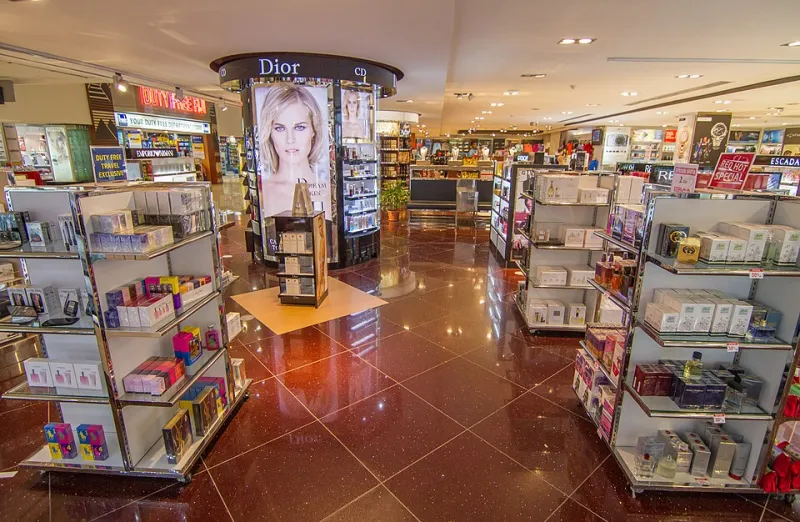
The airport is the obvious answer, because it's the last place with a proper range and, usually, a better price than the high street. But the terminal is also the worst place to make a decision under pressure, with a boarding call in your ear and a tester strip in each hand. A bit of planning turns that 15-minute dash into something closer to a sensible purchase.
The wedding-day bottle is usually the wrong bottle
Buying one big statement fragrance for one big statement day is the classic trap. You'll wear it for the ceremony, the photographs, the meal, the dancing and the sweaty coach back to the hotel. That's six to eight hours in whatever climate the couple chose, and most of us pick a scent based on a six-second spray in a shop at 19°C.
Hot weather doesn't just make a heavy fragrance louder — it changes its shape. Ambers and oud-heavy orientals that feel cosy and expensive in a UK November can turn syrupy and cloying by the first toast. Equally, the light citrus thing you loved at the counter may vanish entirely before the starters arrive.
So treat the wedding bottle as one purchase among two or three, not the whole plan. Buy for the trip, not just the aisle.
Match the juice to the venue, not the Pinterest board
A quick rule of thumb, based on places UK couples actually get married:
- Amalfi, Puglia, Sicily: citrus, neroli, fig and light white florals. Anything with a salty or green edge will feel at home.
- Santorini and the Cyclades: the meltemi wind is relentless, so go for clean aquatics and fig leaf rather than anything powdery, which can go dusty in the breeze.
- Seville, Lisbon, Malta: orange blossom is the local language, but keep the base light — heat plus sweet resins is a hard combination.
- Provence and the Luberon: lavender, almond, soft iris. Almost impossible to get wrong, and it photographs well on a dressing table.
- Winter weddings in Scotland or the Cotswolds: this is where the heavier stuff earns its keep. Woods, amber, a touch of smoke.
If in doubt, spray the tester on skin, walk the terminal for twenty minutes, and smell again before you pay. Paper tells you almost nothing.
The bridal-party problem: coordinate, don't clone
Matching bridesmaids' perfume sounds lovely and smells like a scented coach trip by 4pm. The better version is a loose family of scents: everyone in the same broad mood, nobody in the same bottle.
A workable structure for a group of four to six:
- One daytime fresh — a citrus or neroli cologne, ideally in 30ml or a travel spray, for getting ready and the ceremony.
- One warm evening scent — something with a bit of vanilla, tonka or soft woods for the reception, shared between whoever wants it.
- One spare — usually the bride's, kept in a handbag-sized atomiser for top-ups. This is the bottle that actually gets used.
Agree this over a group chat before anyone flies. It stops four people turning up with the same bestseller and gives you a legitimate reason to split a gift set.
Sizes that survive a real cabin bag
The 100ml liquids rule still applies to anything going in the cabin, and airports remain strict about the sealed bag. That means a 100ml bottle is fine for the outbound flight — just — but it eats your allowance and it's a lot of glass to carry for a week.
For a wedding abroad, the practical sizes are 30ml, 50ml and 10ml travel atomisers. Decanting your own scent is allowed; decanting a friend's into an unlabelled bottle and hoping nobody asks is not a great look at security.
Also worth knowing: a heavy glass flacon in a soft holdall is a cracked bottle waiting to happen. Wrap it in a sock, keep it upright, and don't bury it under shoes.
A terminal timeline that beats the hen-do panic
Eight weeks out. Spend an afternoon at a department store counter with no intention of buying. Get samples. Wear them at home, at work, and ideally on a warm day if you can find one in Britain.
Four weeks out. Decide on two or three candidates. Note the full UK retail price so you can judge the airport price honestly rather than against a sale banner.
One week out. Check whether your airport lets you reserve online for collection. A few do, and it removes the risk of your chosen bottle being out of stock on the day.
Airport day. Give yourself twenty minutes, not five. Test on skin, compare the price against your notes, and buy. Keep the receipt — you'll want it if the bottle leaks in transit.
At the hotel. Unpack it, check the seal, and store it away from the window. Sunlight is not kind to fragrance.
Budget bands that make sense
Duty-free savings are real but patchy — usually somewhere in the region of 10–20% against UK high-street pricing on designer lines, less on niche, and occasionally nothing at all on a heavily promoted set. Rough bands for 2026:
- £35–£55: a 30ml fresh designer scent, or a decent travel spray plus a small backup.
- £55–£85: 50ml of something with a bit more character, or a two-piece set worth splitting.
- £85–£130: 100ml, a niche-lite bottle, or a gift set where the extras are things you'd genuinely use.
Above that, you're buying for the photos rather than the scent. Which is fine — just be honest about it.
One last thing about the flight home
Don't buy your wedding fragrance on the return leg. It's a nice idea, and it never works: you'll be tired, the stock will be picked over, and you'll be buying a souvenir rather than a scent. Buy it on the way out, wear it properly, and let the trip do the rest.